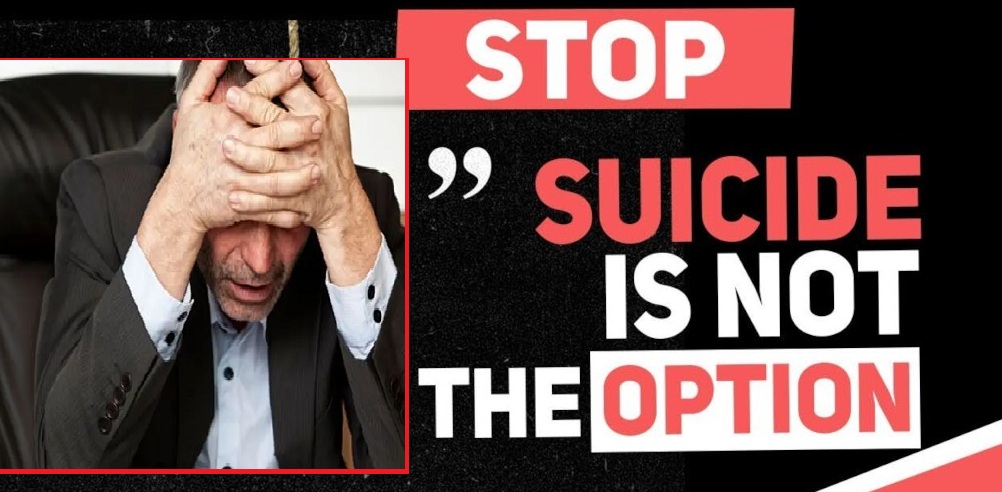
 Banking Khabar / Bank Employees are trapped between pressure overtime and also facing several hazards regarding mental stress. The recent suicide of a bank employee has sent shockwaves through Nepal’s banking sector, exposing the growing mental pressure faced by thousands of bankers working under relentless stress, excessive workloads and mounting institutional pressure.
The tragedy has intensified concerns over employee wellbeing at a time when the country’s financial sector is already grappling with economic slowdown, rising bad loans and fierce competition among banks. What was once considered a prestigious and stable profession is increasingly becoming a psychologically exhausting workplace for many employees.
The issue of unpaid overtime has further shaken the banking industry. Following directives from the Ministry of Labour, Nepal Rastra Bank has recently instructed banks and financial institutions to provide legal compensation to employees required to work beyond official hours. The fact that the Labour Ministry had to intervene in a matter that should have been addressed by the central bank itself has once again raised questions about the effectiveness of regulatory oversight within the sector.
Complaints regarding excessive workloads and unpaid overtime had reportedly reached the central bank several times in the past. However, employees say little meaningful action was taken to protect banking staff.
Employees Buried Under Work Pressure
Bank employees today are facing unprecedented levels of work pressure. Banks are increasingly trying to maximize productivity with limited manpower, forcing employees to handle multiple responsibilities simultaneously.
A single employee is often expected to manage customer service, loan processing, digital banking operations, regulatory reporting, business targets and compliance-related tasks all at once. Many spend long hours in front of computer screens from morning until late evening, while overtime work frequently goes uncompensated. The result is growing mental exhaustion and burnout across the industry.
Target-Driven Culture Fueling Anxiety
Another major source of stress is the aggressive target-driven culture dominating the banking sector. Competition among banks for deposit collection and loan expansion has intensified sharply in recent years.
Branch managers, relationship officers and marketing staff are routinely assigned monthly and quarterly targets. Failure to meet those goals can negatively affect performance evaluations, promotions and career growth. Employees often work under constant fear of managerial pressure and professional insecurity, creating a deeply stressful work environment.
Rising Loan Defaults Adding to Employee Burden
The deteriorating economic situation has added another layer of pressure. Many businesses and borrowers are struggling to repay loans, making recovery efforts increasingly difficult.
Bank employees involved in credit and recovery operations are under continuous pressure to collect overdue loans. In some cases, borrowers reportedly become aggressive, issue threats or engage in disputes with bank staff. This has created an atmosphere of fear and insecurity, especially among employees working in loan recovery departments.
Digital Banking Risks and Fear of Mistakes
The rapid expansion of digital banking has also introduced new forms of stress. Employees must remain constantly alert against cyber threats, fake transactions, online fraud and system failures.
Even a minor error can potentially lead to significant financial losses or reputational damage. Employees say they often feel that a single mistake could jeopardize their entire career, leaving them trapped in a culture of fear and hyper-vigilance.
Frontline Employees Facing Customer Frustration
Customer behavior has also become a growing source of mental strain. Delays in cheque clearing, loan approvals, digital banking disruptions and dissatisfaction over interest rates frequently result in customers venting frustration directly at employees.
Incidents of verbal abuse and threats against staff have reportedly become more common in some branches. Front-desk employees, who deal directly with customers on a daily basis, are among the most psychologically affected.
Women Employees Facing Double Pressure
For women working in banks, the burden is often even more complex. Balancing professional responsibilities with family expectations, long working hours and, in some cases, uncomfortable workplace environments creates additional emotional stress.
Despite these growing challenges, mental health remains a sensitive topic in Nepalese society. Within the banking industry, many employees still hesitate to speak openly about stress, depression or emotional exhaustion due to fear of being labeled “weak” or “incapable.”
However, industry experiences increasingly point toward rising cases of insomnia, anxiety, high blood pressure, family tension and declining motivation among banking professionals.
Banking Sector at a Breaking Point
Nepal’s banking industry is currently passing through one of its most difficult phases. Economic activity remains sluggish, businesses are struggling and uncertainty continues to dominate the market.
From branch-level staff to senior management, employees across the sector are working under immense pressure while standing on the frontlines of Nepal’s fragile financial system.
Experts say banks can no longer afford to focus solely on profits and business targets. They argue that employee mental health must now become a strategic priority. Reducing unnecessary pressure, regulating working hours, offering counseling services, ensuring adequate leave and creating employee-friendly workplaces are increasingly seen as essential steps to prevent deeper crises within the industry.