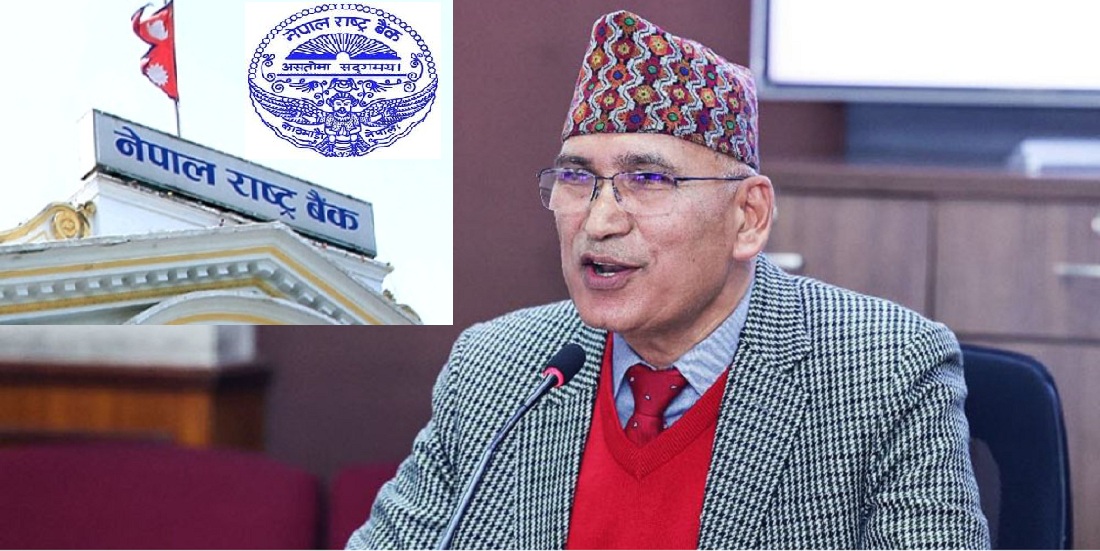
Banking Khabar / Global trends indicate that artificial intelligence will significantly cut banking jobs worldwide, and Nepal is expected to face similar pressure by 2027. Between 2015 and 2022, major banks in the US, Europe and Asia eliminated more than 3 million positions, with projections showing the figure could double within four years. Nepal’s rapid shift toward digital banking-mobile apps, digital wallets and QR payments-has improved customer convenience but increased uncertainty for traditional banking roles.
NRB’s push for a cashless society has reduced the need for branch staff, cash counters and cheque processing. Some Nepali banks report that branches once requiring 15-20 employees now operate with 5-7 due to digital transactions. Globally, banks like JPMorgan, Citibank and Deutsche Bank have cut thousands of jobs after prioritizing AI; Citibank alone trimmed 12% of its global staff in 2023.
A McKinsey study forecasts that more than half of repetitive banking tasks will be automated by 2027. Nepal is likely to see major impact in customer support, loan evaluation, reporting, auditing and risk management-putting thousands of jobs at risk.
Despite the challenges, new opportunities are emerging in cybersecurity, data analytics, AI engineering, digital marketing and UX design. Key obstacles remain: limited rural internet access, difficulty for elderly users and rising cyber fraud.
Experts say Nepal must focus on employee reskilling, investment in fintech and cybersecurity, expansion of digital access in rural areas, and adopting a human-AI collaboration model to turn the looming crisis into long-term opportunity.