 Banking Khabar / On the occasion of entering its 71st year, Nepal Rastra Bank has shared a message saying that economic stability has been maintained in the country.
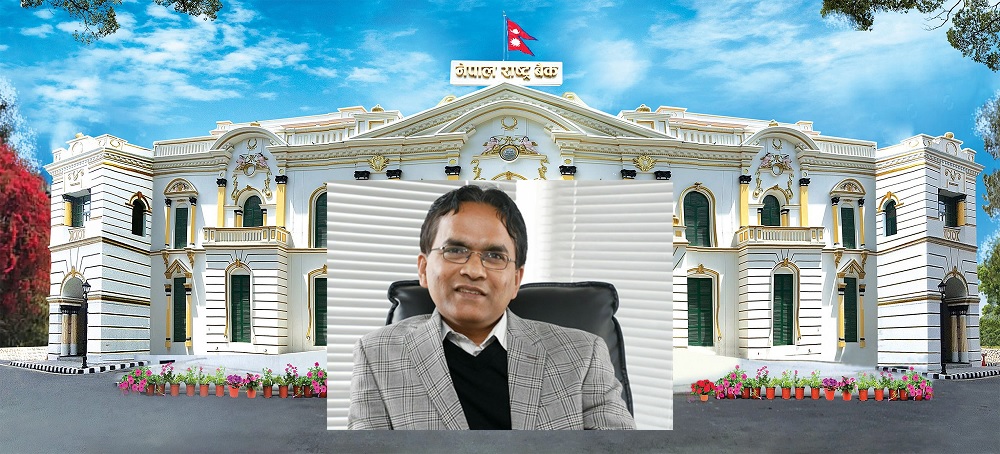
Governor Dr. Bishwanath Paudel highlighted the importance of a safe and reliable banking system.
He said:
“We remain committed to increasing public trust in the financial system by creating and implementing necessary monetary and foreign exchange policies, strengthening a secure payment system, and expanding access to financial services.”
The central bank has also organized various programs to mark its anniversary.
What is a Central Bank?
A central bank is the main financial authority of a country. It manages money and creates policies related to the economy. Every country has its own central bank. In Nepal, this role is carried out by Nepal Rastra Bank.
About Nepal Rastra Bank
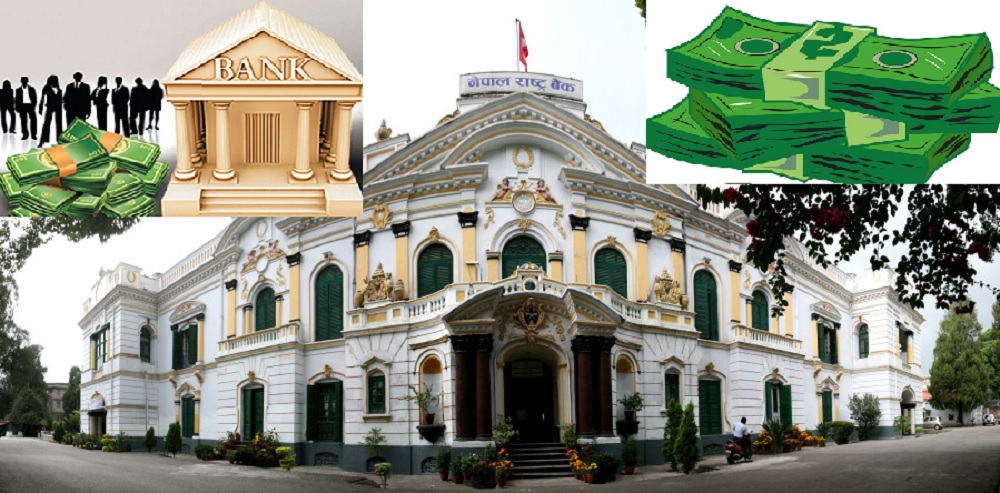
Nepal Rastra Bank was established under the Nepal Rastra Bank Act, 1955, to manage the country’s financial system. It officially began operations on April 26, 1956 (Baisakh 14, 2013 B.S.).
It acts as the country’s monetary authority and regulates banks and financial institutions.
A newer law, the Nepal Rastra Bank Act, 2002 (2058 B.S.), replaced the old one and strengthened the bank’s independence and authority.
Main Functions of the Central Bank
Nepal Rastra Bank:
- Manages foreign exchange rates and reserves
- Controls foreign exchange policies
- Maintains price stability and balance of payments
- Supports sustainable economic growth
- Ensures stability in the banking and financial system
- Maintains enough liquidity (cash flow) in the economy
- Develops a safe and efficient payment system
- Regulates and supervises banks and financial institutions
- Works to increase public trust in the financial system