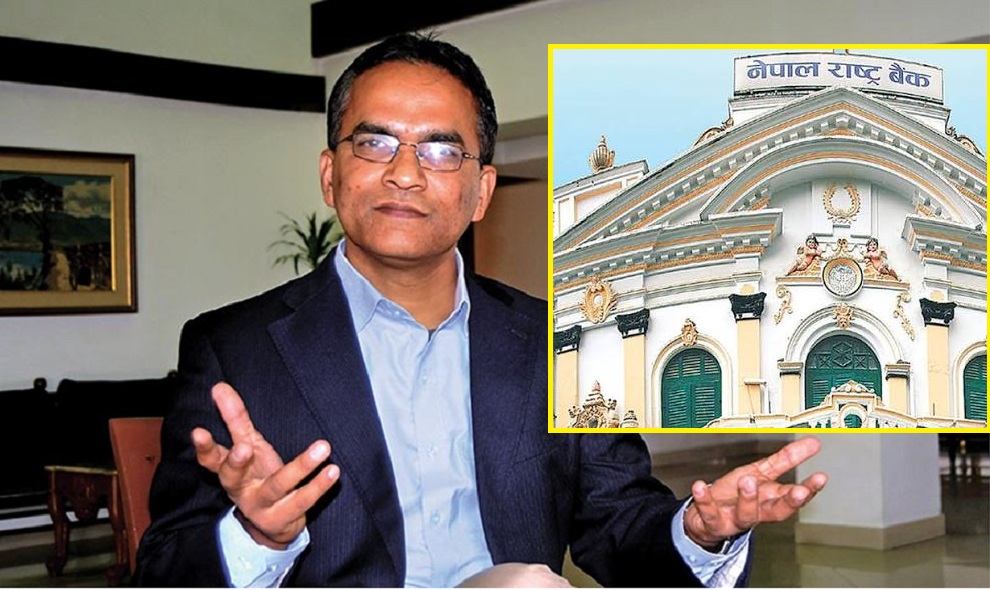
 Banking Khabar / Nepal Rastra Bank has entered its 71st year of establishment. The bank was founded on April 26, 1956 (Baisakh 14, 2013 B.S.) and serves as Nepal’s central bank.
A central bank is responsible for managing a country’s money and formulating economic and financial policies. In Nepal, Nepal Rastra Bank acts as the monetary authority and regulator of banks and financial institutions.
The bank operates under the Nepal Rastra Bank Act, 2002 (2058 B.S.), which ensures its autonomy and independence. It manages foreign exchange rates, protects the country’s foreign currency reserves, and controls foreign exchange policies.
Nepal Rastra Bank also plays a key role in maintaining economic stability. It formulates and implements monetary and foreign exchange policies to keep prices stable and support sustainable economic growth. In addition, it works to:
- Maintain stability in the banking and financial sector
- Ensure adequate liquidity in the economy
- Develop a safe and efficient payment system
- Regulate and supervise banks and financial institutions
- Strengthen public trust in the financial system
On the occasion of its 71st anniversary, the central bank issued a message stating that economic stability has been maintained in the country.
Governor Dr. Bishwanath Paudel emphasized the importance of a secure and reliable banking system. He said the bank remains committed to strengthening payment systems, expanding financial access, and increasing public confidence by implementing effective monetary and foreign exchange policies.