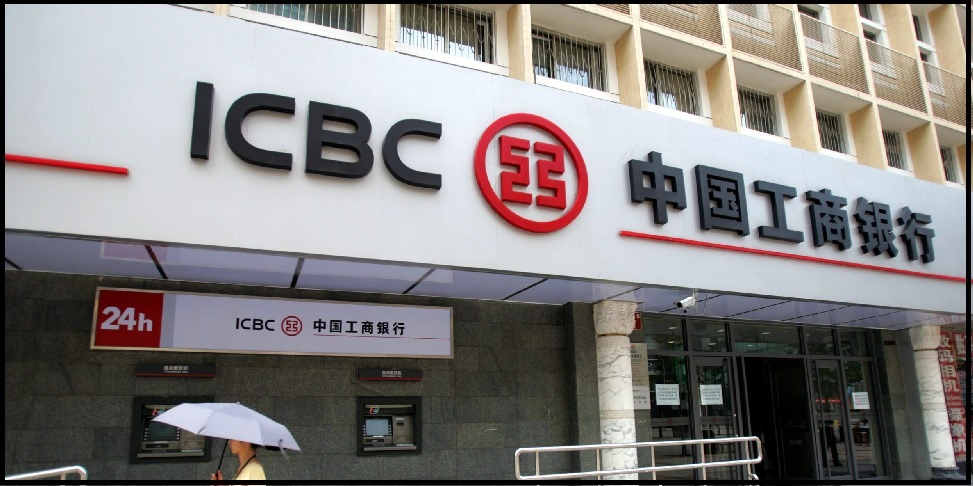
 Banking Khabar / Chinese banks have secured the top positions among the world’s largest financial institutions, highlighting the growing strength of China’s banking sector and its expanding influence over the global economy.
According to the latest global banking rankings based on total assets, China’s four major state-owned banks — Industrial and Commercial Bank of China (ICBC), Bank of China, China Construction Bank, and Agricultural Bank of China — occupy the top four spots worldwide.
Among them, ICBC remains the world’s largest bank, with total assets exceeding $6 trillion. The other three Chinese banking giants also rank among the world’s top 12 financial institutions, reflecting the scale and rapid growth of China’s financial system.
Analysts say the rankings demonstrate not only China’s domestic economic expansion but also its rising global financial influence. During the first quarter of 2026, these major Chinese banks reported profit growth of around 3 to 4 percent while maintaining relatively stable asset quality despite ongoing economic risks.
China’s Banking Power Surpasses the U.S. in Total Assets
The dominance of Chinese banks in the top global rankings suggests that China’s banking system now holds greater influence than the United States in terms of asset size, lending power, and financial expansion.
While Chinese institutions lead by total assets, major American banks continue to play a powerful role in global finance. JPMorgan Chase and Bank of America remain among the world’s top 10 banks, with JPMorgan ranked as the fifth-largest bank globally.
Experts note that U.S. banks still dominate areas such as investment banking, global financial services, innovation, and stock market valuation. However, the sheer scale of Chinese banks has become increasingly difficult to ignore.
Why Chinese Banks Are Rising So Fast
Financial experts attribute the rise of Chinese banks to several major factors, including China’s rapid economic growth, strong government backing, massive infrastructure financing, and the enormous size of its domestic market.
Large-scale lending for infrastructure and industrial development has allowed Chinese banks to dramatically expand their balance sheets over the past two decades. This financial model has helped Beijing strengthen both its domestic economy and its international economic footprint.
China and America Locked in Economic Competition
The growing financial strength of China comes amid an intensifying economic rivalry between China and the United States.
Washington increasingly views Beijing as its primary strategic competitor and has adopted economic and diplomatic measures aimed at limiting China’s global expansion. Meanwhile, China continues to strengthen its international influence through infrastructure investment and economic partnerships under the Belt and Road Initiative, which involves more than 70 countries worldwide.
While the United States focuses on trade agreements, security partnerships, and diplomatic alliances, China is using industrial investment, development projects, and financial cooperation to expand its reach across Asia, Africa, and beyond.
At present, the U.S. economy remains the world’s largest, with China holding the second position. Yet China’s rapid economic rise and expanding banking power are increasingly reshaping the global financial order, intensifying the competition between the world’s two largest economies.