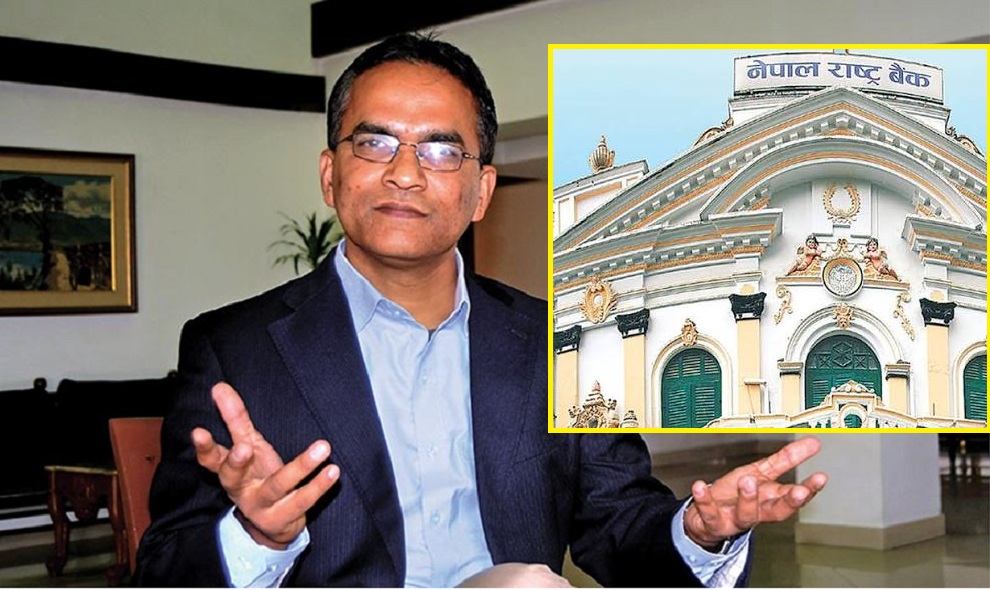
 Banking Khabar / Nepal Rastra Bank has moved to review its existing “Standing Deposit Facility” framework as the central bank steps up efforts to manage excess liquidity in the banking system and keep interest rates stable.
The decision was announced in the third-quarter review of the Monetary Policy for fiscal year 2082/83, where the central bank said the revision is intended to make the interest rate corridor more effective and efficient amid changing financial conditions.
Nepal Rastra Bank noted that the banking sector has been experiencing surplus liquidity for the past several years, creating pressure on interest rates and increasing volatility in the financial market. By revisiting the Standing Deposit Facility mechanism, the central bank aims to strengthen monetary policy transmission and improve liquidity management across banks and financial institutions.
The review projects Nepal’s economic growth at 3.85 percent for the current fiscal year, while average inflation has remained contained at 2.39 percent. The central bank also highlighted strong remittance inflows and comfortable foreign exchange reserves as key factors supporting overall economic stability.
Despite the planned reforms, Nepal Rastra Bank has decided to keep major monetary policy instruments unchanged, including the policy rate, bank rate, cash reserve ratio, and statutory liquidity ratio. The central bank said it would continue the flexible monetary policy stance adopted since the beginning of the fiscal year in order to support economic activity while preserving financial stability.
As part of the review process, the central bank plans to amend the Integrated Directive governing the Standing Deposit Facility. Officials expect the revised framework to make the process for depositing excess funds at Nepal Rastra Bank more systematic, while also ensuring better alignment of interest rates within the banking system.
The central bank believes the proposed changes will enhance the effectiveness of the interest rate corridor, reduce abnormal fluctuations in market rates, and contribute to a more stable and predictable financial environment.