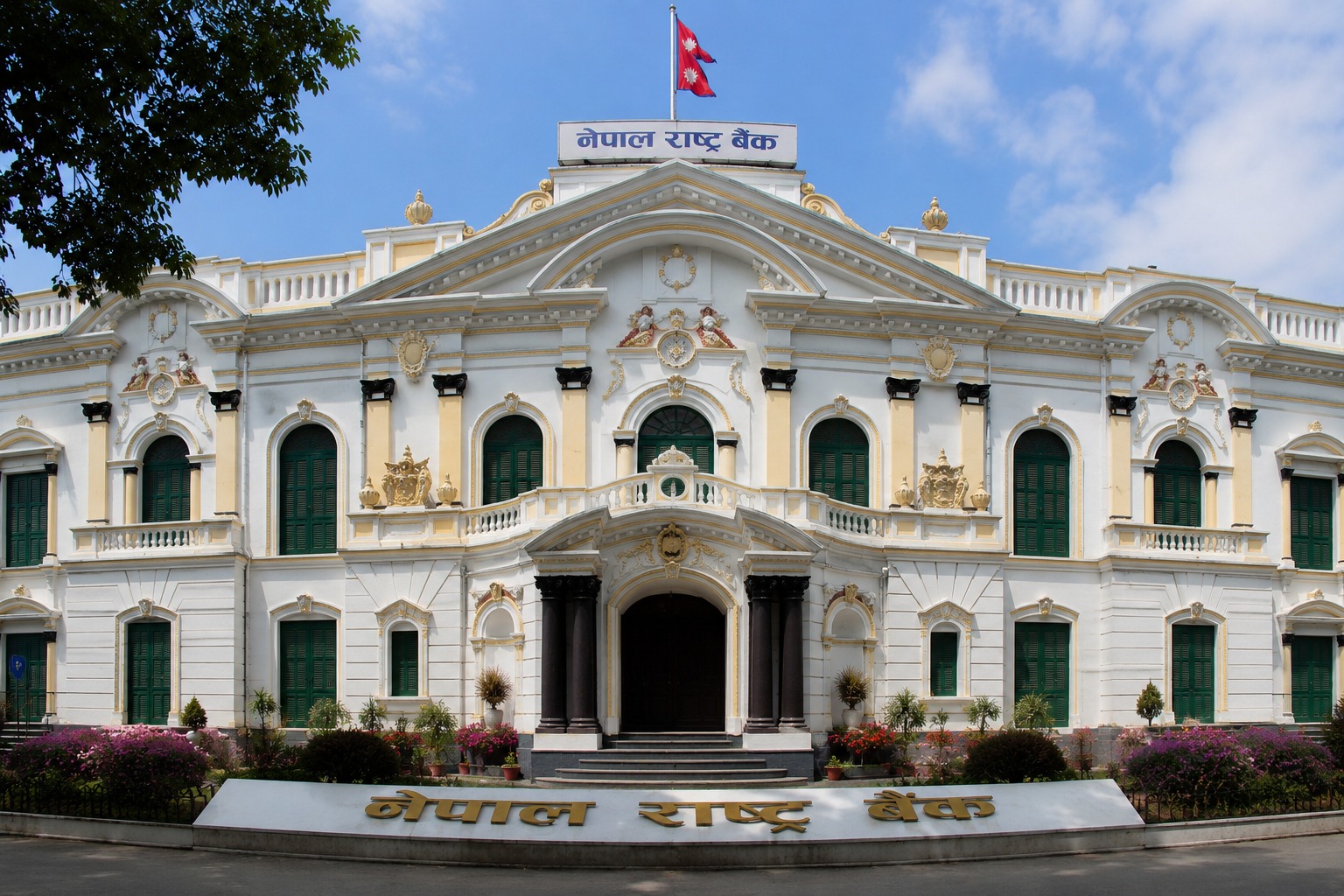
Banking Khabar / Nepal Rastra Bank (NRB) is examining the appointment of Rabin Sijapati as Chief Executive Officer (CEO) of Shangri-la Development Bank following questions over his eligibility and compliance with the regulatory cooling-off period.
According to published reports, Shangri-la Development Bank’s Board of Directors decided on September 4, 2026 (Bhadra 19, 2083), to appoint Sijapati as CEO for a four-year term. However, questions have emerged because he was reportedly still serving as chairman of National Laghubitta Bittiya Sanstha Limited when the appointment decision was made.
National Laghubitta’s Board of Directors reportedly approved his resignation on September 14, 2026 (Bhadra 29, 2083), ten days after Shangri-la Development Bank’s appointment decision.
The timing has raised questions about whether the appointment complied with the applicable provisions governing the eligibility of directors and chief executives of licensed banks and financial institutions.
The Banks and Financial Institutions Act, 2017 (2073), contains provisions concerning the qualifications and disqualifications of directors and chief executive officers. Nepal Rastra Bank’s Unified Directive No. 6 also includes cooling-off provisions that may restrict individuals leaving certain positions from immediately joining another licensed institution.
However, the applicability of the six-month cooling-off period to Sijapati’s case requires careful examination of the relevant legal provisions and the circumstances of his appointment. The restrictions applicable to a person leaving a director’s position may differ from those applicable to someone leaving a CEO position. The appointment decision, resignation documents and the date on which the resignation took effect are therefore central to determining whether the rules were followed.
Under Section 29 of the Banks and Financial Institutions Act, Nepal Rastra Bank has authority to take regulatory action where a CEO does not meet the applicable legal requirements. Depending on the findings, the regulator may issue directions to the concerned institution in accordance with the law.
An NRB official said the matter was under review and that the necessary process would proceed after the relevant documents had been examined. The official indicated that a formal position would be taken only after the facts and supporting documents had been assessed.
What Does the Cooling-Off Period Require?
Nepal Rastra Bank’s Unified Directive No. 6 contains provisions restricting certain individuals who have left positions at licensed banks and financial institutions from immediately joining another licensed institution. The relevant provisions include a general six-month cooling-off period, subject to the exceptions and conditions specified in the directive.
The rules distinguish between restrictions applicable after leaving a director’s position and those applicable after leaving a CEO position. Their application depends on the person’s previous role, the institution involved and the exact circumstances of the transition.
In Sijapati’s case, the key issue is whether his appointment decision and subsequent assumption of office complied with the applicable eligibility requirements and cooling-off provisions.
The central bank’s review will be important in clarifying the regulatory position. Until Nepal Rastra Bank completes its examination and communicates its findings, the legality of the appointment remains a matter under review rather than an established violation.